Storm Surge Flood Cleanup in New Port Richey, FL
When a hurricane pushes the Gulf into Gulf Harbors and the canal streets, the water that comes inside carries salt, silt and sewage. The mitigation team treats it as Category 3 from the start: out comes the water, then the soaked materials, then the drying.
(888) 621-2041Start the surge cleanup on the canal streets- 24/7 dispatch
- IICRC S500 drying goal
- Daily moisture readings
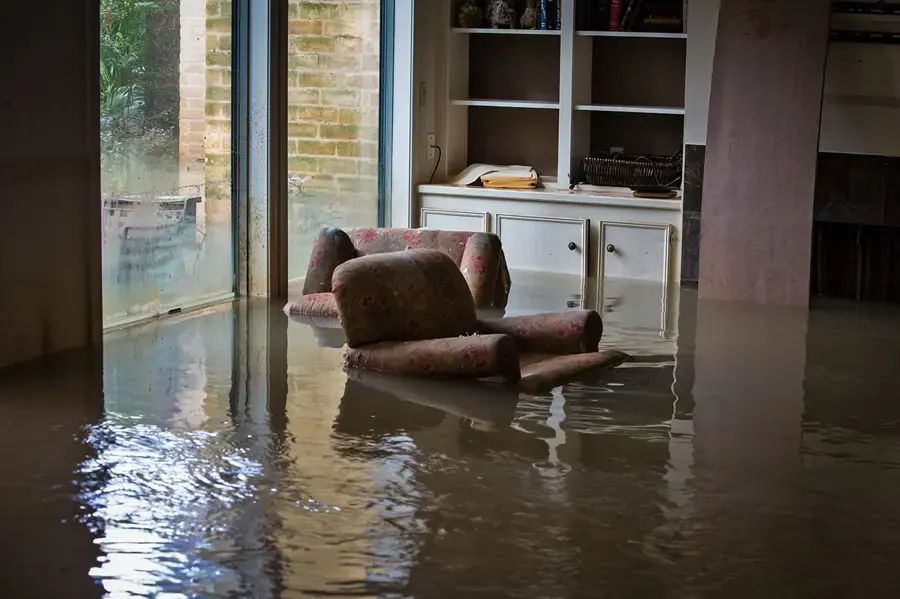
What to do first about storm surge flood cleanup
Do only what feels safe. Water near an outlet, a sewage smell or a sagging ceiling means stepping back and calling first.
- 1
Wait for the all-clear
Do not go back in until officials say the area is safe and the power is off.
- 2
Stay out of the water
Treat every inch of surge water as contaminated; wear boots and gloves.
- 3
Photograph everything
Record the water line on walls, cabinets and furniture before any removal.
- 4
Call your flood carrier
Start the flood claim and get the drying scheduled at the same time.
What does storm surge flood cleanup cost in New Port Richey, FL?
In New Port Richey, FL, storm surge flood cleanup typically runs $5,000 to $30,000 or more, depending on how high the water rose, how much of the home it reached and how long it sat before cleanup started.
These are ranges seen on west Pasco jobs, not a price for your home. The water damage cost calculator narrows it; the moisture map on the walkthrough decides it.
How storm surge flood cleanup is handled in New Port Richey
Category 3 protocol
The mitigation team suits up and contains the work before anything is removed.
Flood cuts to a line
Drywall and insulation come out above the water mark so wall cavities can dry.
Clean, then treat
Silt and salt are washed off before an EPA-registered antimicrobial is applied.
Dry to readings
Air movers and LGR dehumidifiers run until framing reads dry against a reference.
The four stops of a storm surge flood cleanup dry-out
- 1
Trace and measure
A thermal camera and a pinless meter show the restoration team how far the water spread before a single fan is placed.
- 2
Pull the water out
Truck-mounted extraction empties the floors and the carpet pad first, because every gallon left behind adds drying days.
- 3
Move the air, pull the humidity
Air movers push moisture out of walls and floors, and LGR dehumidifiers take it out of the damp coastal air.
- 4
Read it dry, then log it
Daily meter readings are compared with an unaffected room; the drying stops when the numbers are within 2 to 4 points.
New Port Richey sits on a shallow stretch of the Gulf of Mexico, and the canal neighborhoods west of US 19 open straight to it. Hurricane Idalia in 2023 and Hurricane Helene in 2024 both pushed surge into homes along the west Pasco coast, Gulf Harbors among them. Fall king tides can also lift canal water over low seawalls and into garages even on a clear day.
Why surge water is handled as Category 3
Surge water is not rainwater. It carries salt, sand, silt, fuel and whatever the storm pulled out of septic tanks and sewer lines. The IICRC S500 standard treats it as Category 3, which means porous materials it touched are removed rather than dried: drywall, insulation, carpet and pad, and often baseboards, door casings and the bottom of cabinets.
- Drywall cut at least two feet above the high water mark
- Wet insulation bagged and removed from wall cavities
- Carpet, pad and swollen laminate pulled up
- Studs and slab cleaned, then treated with an EPA-registered antimicrobial
Drying a home after surge
Once the wet materials are out and the structure is clean, the drying team sets air movers into the open wall cavities and runs LGR dehumidifiers to pull moisture out of the framing. Salt residue left on studs keeps attracting moisture from humid air, which is one reason cleaning comes before drying. Readings go in the log daily until framing is within 2 to 4 points of a dry reference.
Surge and insurance
Rising water from the Gulf is flood, not a homeowners wind or water claim. Flood coverage is usually a separate policy through the National Flood Insurance Program or a private carrier. Coverage depends on your policy, so it is worth checking with your own insurer.
Before and after the next storm
The National Hurricane Center storm surge page explains how surge forecasts work, and FloodSmart.gov covers flood policies and claims. For rain-driven flooding from the Pithlachascotee River rather than the Gulf, see river and flash flood cleanup, and the surge and flood readiness check rates a property's exposure before the season.
Where storm surge flood cleanup calls come from
The restoration team covers New Port Richey itself plus the 34652, 34653, 34654, 34655 and 34656 ZIP areas: downtown and Gulf Harbors, Elfers, Moon Lake, Trinity and Seven Springs, with Port Richey, Holiday and Hudson next door.
Every town, ZIP and neighborhood coveredRelated water damage services in New Port Richey
Storm Surge Flood Cleanup questions, answered
Answers based on how these losses usually go in west Pasco homes; your own walkthrough settles the details.
Ask the New Port Richey team about storm surge flood cleanupCan drywall be saved after storm surge?
Almost never. Surge water is Category 3, so drywall it touched is cut out, usually at least two feet above the high water line, and the insulation behind it is removed.
Is storm surge covered by homeowners insurance?
Rising water from the Gulf is generally a flood loss, which falls under a separate flood policy rather than a standard homeowners policy. Coverage depends on your policy, so it is worth checking with your own insurer.
How soon should surge cleanup start?
As soon as officials allow people back in and the power is safe. Wet drywall and insulation in Florida humidity can grow mold inside 24 to 48 hours, and it only gets harder from there.
What is a king tide and does it cause damage?
King tides are the highest tides of the year, often in the fall. In Gulf Harbors they can push canal water over low seawalls into garages and lanais, and that water is handled like any other tidal floodwater.
Why does salt residue matter?
Salt left on studs and slabs keeps drawing moisture out of the air, so materials that read dry can go wet again. Washing the structure before drying prevents that.
Do the cabinets have to go?
Base cabinets that sat in surge water usually come out, because the particleboard swells and the backs trap contaminated water. Upper cabinets above the water line often stay.
What should I photograph for the flood claim?
The water line on the walls, every room and its contents, the outside of the home, and anything removed before it goes to the curb. Timestamped photos before demolition are part of a complete claim file.
Storm Surge Flood Cleanup in New Port Richey? Call now.
Wet drywall, cabinets and subfloor do not dry on their own in Pasco humidity. A call now puts extraction and drying on the schedule today.
(888) 621-2041Get the Gulf Harbors surge cleanup moving